































Key Changes in the New Army Fitness Test
✅ Rebranding: The ACFT is now the Army Fitness Test (AFT), removing the word “combat” from its name.
✅ Event Reduction: The Standing Power Throw—often criticized for favoring taller soldiers—is eliminated.
✅ New Scoring System: Combat soldiers must achieve at least 60 points per event, with a minimum total score of 350.
✅ Implementation Timeline: The AFT will be phased in starting June 1, 2025, with full adoption by January 1, 2026, for active-duty soldiers.
Why the Change?
The ACFT, launched in 2022, faced criticism for its low passing thresholds—allowing soldiers to pass with just 10 push-ups and a 22-minute two-mile run. The new AFT aims to increase warfighting readiness and boost overall fitness levels, ensuring soldiers are prepared for the physical demands of combat.
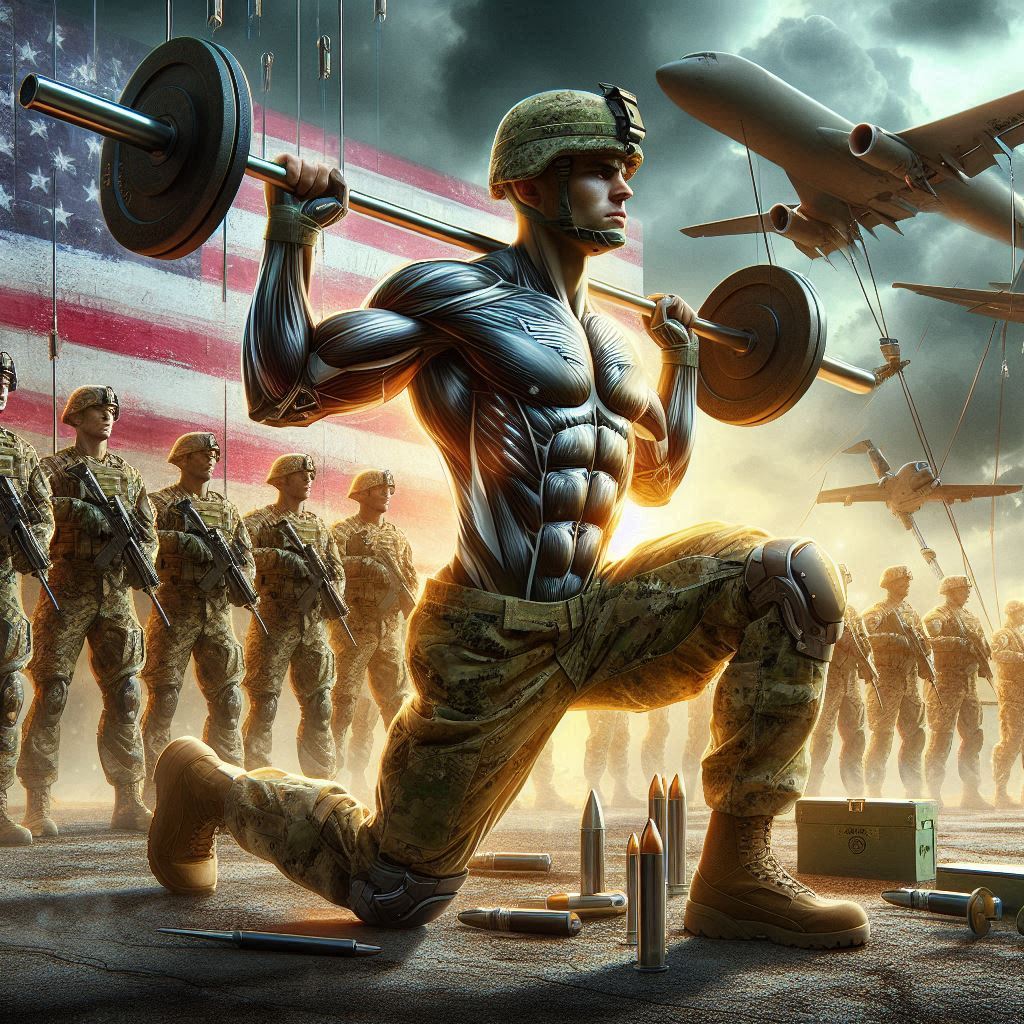
The Army Fitness Test (AFT) is set to replace the Army Combat Fitness Test (ACFT) starting June 1, 2025, marking a significant shift in military training standards. This change aims to enhance combat readiness, improve physical fitness, and establish gender-neutral benchmarks for soldiers in 21 combat military occupational specialties (MOSs), including infantry, armor, field artillery, cavalry, and Special Forces.
Key Changes in the Army Fitness Test
The AFT retains five core events from the ACFT: 1️⃣ Three-repetition maximum deadlift – Tests lower-body strength.
2️⃣ Hand-release push-up with arm extension – Measures upper-body endurance.
3️⃣ Sprint-drag-carry – Evaluates speed, agility, and muscular endurance.
4️⃣ Plank – Assesses core stability.
5️⃣ Two-mile run – Gauges cardiovascular endurance.
The Standing Power Throw, which required soldiers to toss a 10-pound medicine ball backward, has been removed due to concerns that it favored taller individuals.
Scoring System & Implementation Timeline
- Soldiers in combat roles must score at least 60 points per event, with a minimum total score of 350.
- The test will be scored out of 500 points, down from the previous 600 due to the event reduction.
- The new standards will take effect on January 1, 2026, for active-duty soldiers and June 1, 2026, for the Reserve and National Guard.
Why the Change?
The ACFT, introduced in 2022, faced criticism for its low passing thresholds, allowing soldiers to pass with just 10 push-ups and a 22-minute two-mile run. The AFT aims to increase warfighting readiness and boost overall fitness levels, ensuring soldiers are prepared for the physical demands of combat.
Market Impact & Military Readiness
💰 Defense Budget Allocation: The U.S. Army is investing millions into fitness training programs to support the transition.
📈 Recruitment & Retention: Stricter fitness requirements could lead to higher dropout rates in basic training.
🏋️ Equipment Upgrades: Military bases are expected to revamp training facilities, incorporating advanced fitness monitoring systems.
What’s Next?
The Army will release official execution orders in May 2025, detailing how the new test will be implemented across different military branches. Soldiers in combat roles will need to train harder to meet the new benchmarks.
The shift to the Army Fitness Test marks a pivotal moment in military training, reinforcing the Army’s commitment to physical excellence and combat readiness.
Market Impact & Military Readiness
💰 Defense Budget Allocation: The U.S. Army is investing millions into fitness training programs to support the transition.
📈 Recruitment & Retention: The new standards may impact recruitment numbers, as stricter fitness requirements could lead to higher dropout rates in basic training.
🏋️ Equipment Upgrades: Military bases are expected to revamp training facilities, incorporating advanced fitness monitoring systems.
What’s Next?
The Army will release official execution orders in May 2025, detailing how the new test will be implemented across different military branches. Soldiers in combat roles—including infantry, armor, field artillery, cavalry, and Special Forces—will need to train harder to meet the new benchmarks.
The shift to the Army Fitness Test marks a pivotal moment in military training, reinforcing the Army’s commitment to physical excellence and combat readiness. Stay tuned for further updates as the new standards roll out!