

































USPS in 2025: Revolutionizing Postal Services for a Sustainable Future
The United States Postal Service (USPS), a pillar of American infrastructure, is undergoing a transformative era in 2025. Faced with mounting challenges and evolving consumer demands, these is adapting to ensure it remains relevant and efficient. Here’s a detailed look at how the these is overcoming hurdles, embracing innovation, and driving sustainability to better serve the nation.

A Snapshot of USPS Performance
This has long been a crucial player in facilitating communication and commerce. However, financial strains and market changes have forced the organization to reassess its strategies.
Key Performance Figures (2024):
- Revenue: $78.5 billion
- Net Loss: $10 billion
- First-Class Mail Decline: 50% over the past decade
- Packages Delivered: Over 7.2 billion annually 📦
Despite these challenges, the USPS continues to stand as a lifeline for millions of Americans, particularly in rural and underserved areas.
Adapting Through Innovation
The USPS is leveraging advanced technology and data-driven tools to revolutionize its services. This shift aims to boost efficiency, reduce costs, and address modern consumer needs.
Technological Milestones:
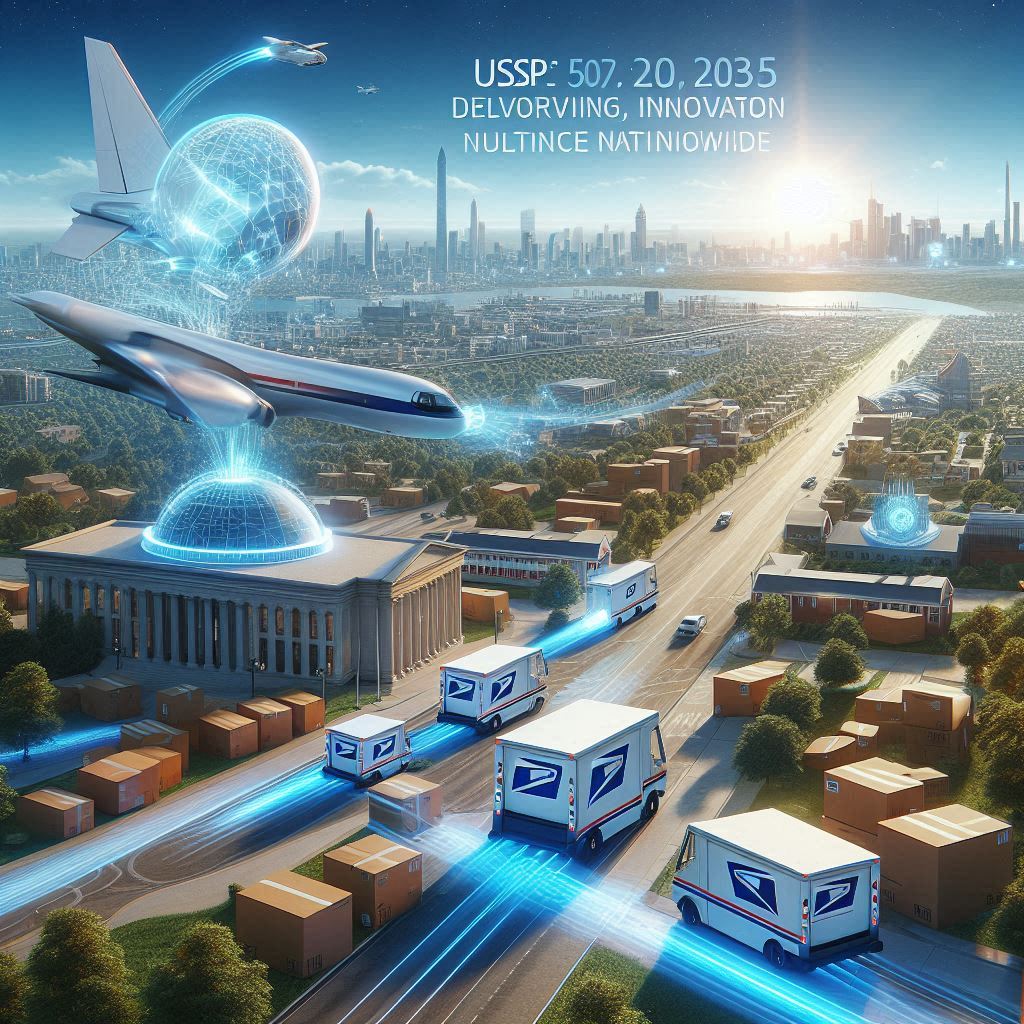
- AI-Enhanced Logistics: Optimizing delivery routes to save fuel and reduce emissions.
- Smart Mailboxes: Enhancing security and tracking capabilities for customers.
- Real-Time Package Tracking: Providing seamless updates to customers.
These advancements are not just operational upgrades; they signify the USPS’s commitment to modernizing its services and staying competitive in a rapidly evolving market.
Environmental Sustainability at the Core
Sustainability is no longer optional—it’s imperative. The USPS has embraced eco-friendly practices to reduce its environmental impact and lead the way in green logistics.
Green Initiatives:
- Electric Fleet Expansion: Replacing aging vehicles with 45,000 electric vehicles (EVs) by 2030. 🚛⚡
- Renewable Energy Adoption: Transitioning facilities to solar and wind power sources.
- Recyclable Packaging: Using eco-friendly materials for postal products.
These efforts aim to significantly cut down emissions and align the USPS with global sustainability goals.
Overcoming Financial Challenges
Decades of financial losses have weighed heavily on the USPS. To counter this, the agency has implemented measures to stabilize its finances while ensuring uninterrupted service.
Financial Strategies:
- Cost-Cutting Measures: Saving an estimated $36 billion over the next decade by reducing operational redundancies.
- Flexible Pricing Models: Introducing competitive rates for businesses and individuals.
- Public-Private Partnerships: Collaborating with tech companies to optimize resources and share costs.
Through these steps, the USPS is targeting long-term financial stability while maintaining its mission of universal service.
Riding the E-Commerce Wave
The boom in e-commerce is a silver lining for the USPS, as package deliveries continue to rise. The organization is capitalizing on this trend to drive growth and meet consumer demands.
E-Commerce Trends:
- Surge in Online Shopping: Over 20% growth in e-commerce sales in 2024.
- Priority Shipping Services: Expanding same-day and next-day delivery options. 🚀
- Business Solutions: Offering bulk shipping discounts to small and medium-sized enterprises (SMEs).
With these measures, the USPS is positioning itself as a key partner for businesses navigating the digital economy.
Challenges on the Horizon
While the USPS has made significant strides, it continues to face obstacles that could hinder its progress.
Primary Challenges:
- Inflation: Rising costs of goods and labor are adding pressure on operational budgets.
- Workforce Shortages: Addressing the need for skilled labor in a competitive job market.
- Geopolitical Uncertainty: International trade tensions could disrupt supply chains.
These challenges require the USPS to remain agile and proactive in its strategies.
A Customer-First Approach
Consumer satisfaction is at the heart of the USPS’s transformation. By focusing on convenience and reliability, the organization aims to build lasting trust with its customers.
Customer-Centric Strategies:
- Enhanced Accessibility: Expanding services in rural areas and minority communities.
- Digital Tools: Launching mobile apps for seamless tracking and bill payments.
- Customized Services: Offering tailored solutions for businesses and individuals.
This renewed focus ensures that the USPS not only meets but exceeds customer expectations.
The Road Ahead
As the USPS navigates a complex and changing landscape, its resilience and adaptability remain its biggest strengths. The organization’s commitment to innovation, sustainability, and customer service positions it for a brighter and more sustainable future.
Key Takeaways:
- Over 7.2 billion packages delivered annually, showcasing its extensive reach.
- $36 billion in projected savings through strategic initiatives.
- Aiming for 45,000 EVs by 2030, leading in sustainable logistics.
The USPS is not just adapting to change—it’s driving it. With a focus on innovation and sustainability, the agency is setting new benchmarks for postal services worldwide.